

Article: Recovery Support After Aesthetic Procedures- Why it is a Necessity for your Skin
Recovery Support After Aesthetic Procedures- Why it is a Necessity for your Skin
Aesthetic treatments have evolved dramatically over the last few years. Patients are becoming more educated, treatments are becoming more advanced, and clinics are placing greater emphasis on long-term skin quality rather than quick fixes.
But one part of the treatment journey is still often overlooked: recovery.
Whether a patient has undergone microneedling, chemical peels, laser treatments, injectables, or skin boosters, the skin enters a temporary state of vulnerability afterwards. During this period, recovery support is not simply beneficial- it can directly influence comfort, healing, skin health, and ultimately, treatment results.
This is where active recovery becomes essential.
What Happens To The Skin After Aesthetic Procedures?
Most professional aesthetic treatments intentionally create controlled stress within the skin.
This may involve:
-
Triggering inflammation
-
Creating micro-injuries
-
Disrupting the skin barrier
-
Stimulating collagen production
-
Increasing cellular turnover
While these processes are necessary for regeneration and improved skin quality, they also temporarily compromise the skin’s natural protective function.
After treatment, patients may experience:
-
Redness
-
Tightness
-
Sensitivity
-
Heat
-
Dryness
-
Swelling
-
Barrier disruption
-
Increased transepidermal water loss (TEWL)
In simple terms, the skin becomes more reactive and less resilient.
Without appropriate post-procedure support, this vulnerable phase can lead to prolonged irritation, dehydration, delayed recovery, or reduced treatment outcomes.
Why Recovery Is Becoming A Bigger Focus In Aesthetics
The industry is shifting away from aggressive “over-treatment” and moving toward regenerative, skin-first aesthetics.
Patients no longer just want treatments. They want healthy skin, long-term results, and minimal downtime.
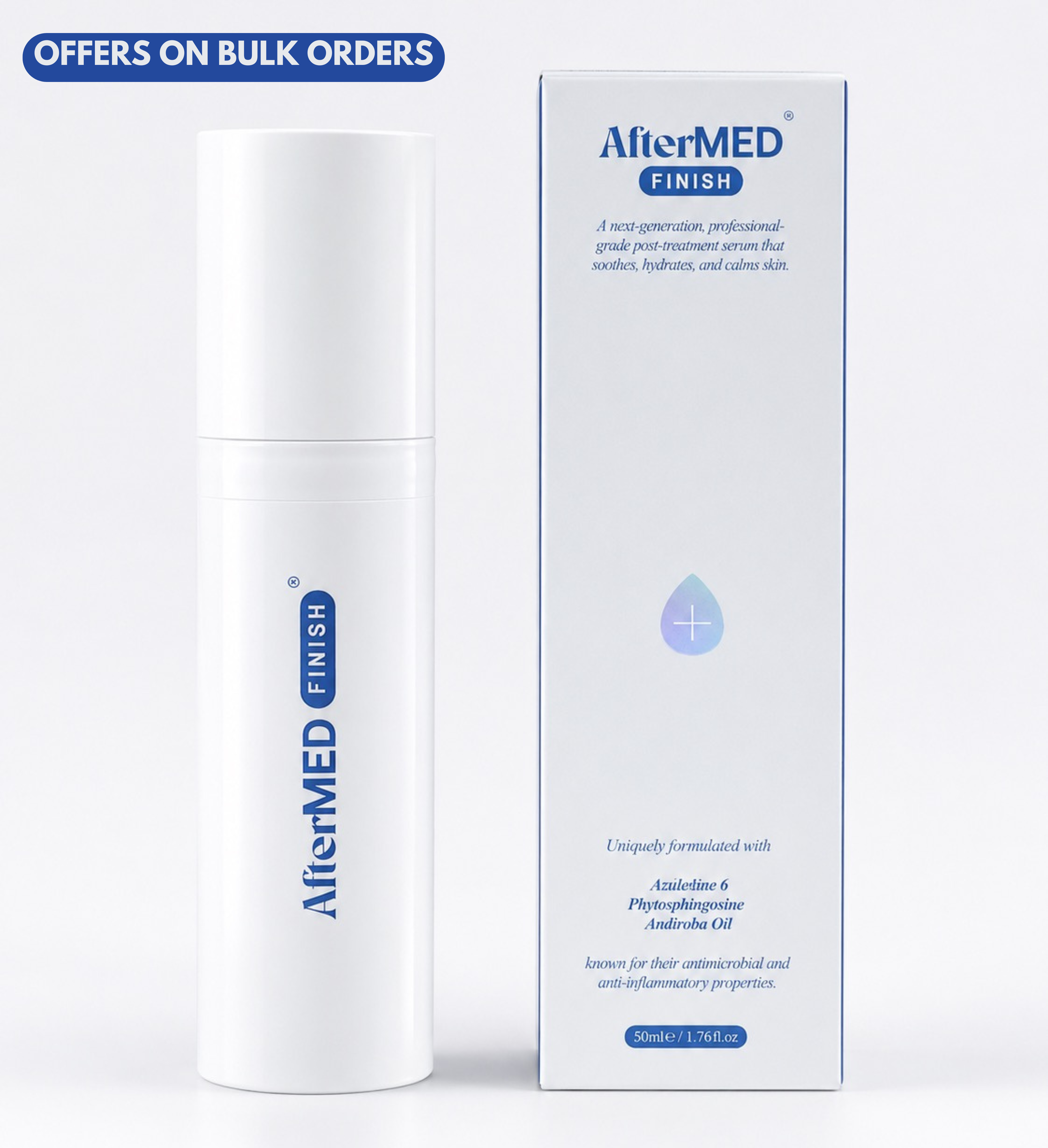
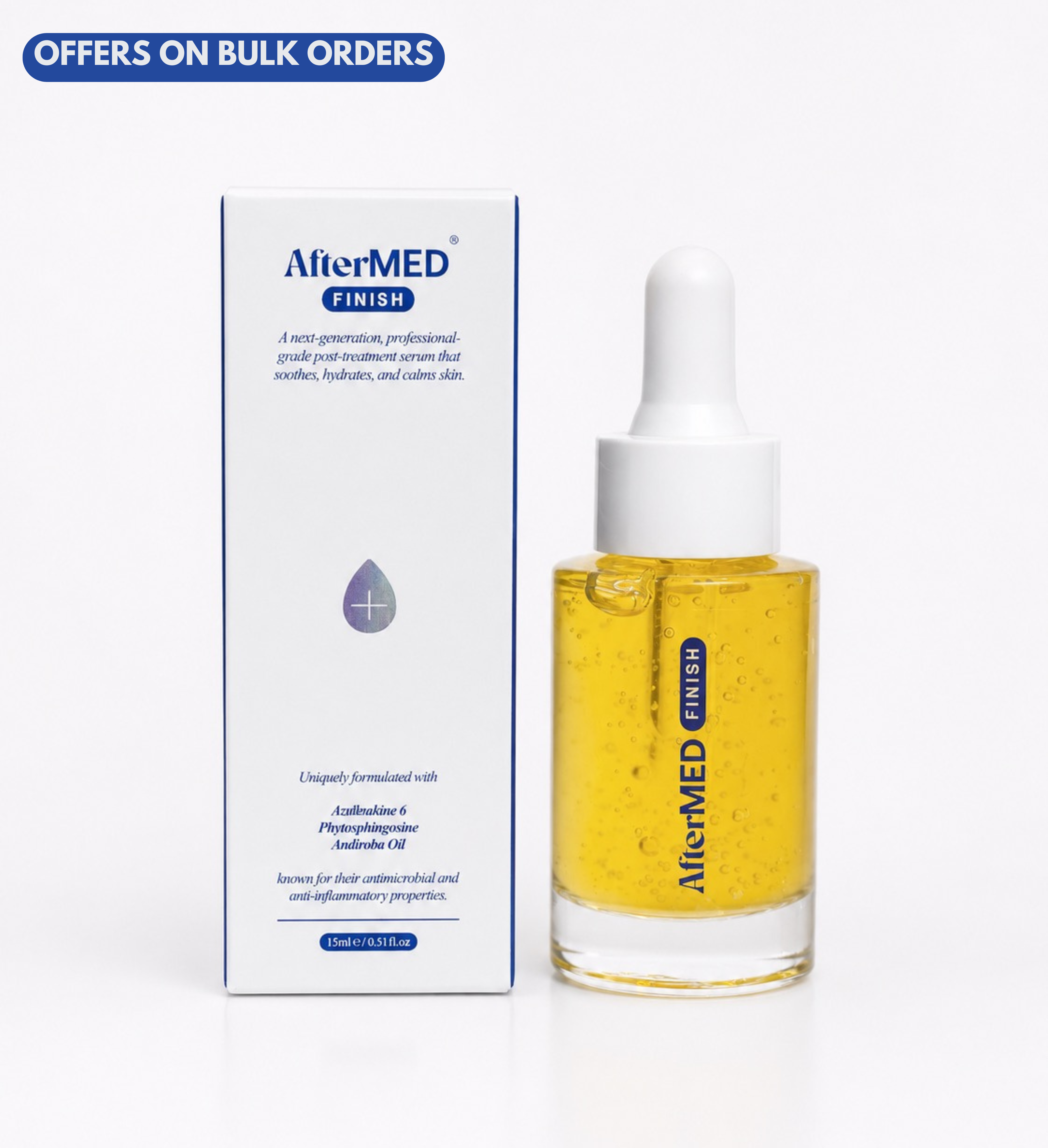
This is one of the reasons products like AfterMED Finish are becoming an important part of modern aesthetic treatment plans. Recovery-focused skincare helps bridge the gap between procedure and result, supporting the skin during its most compromised state.
Treatments That Can Leave Skin Vulnerable
Microneedling
Microneedling creates controlled micro-injuries in the skin to stimulate collagen production and improve texture, pigmentation, and scarring.
Although highly effective, it temporarily weakens the skin barrier and increases sensitivity. Patients often experience redness, heat, and dryness for several days post-treatment.
Recovery support during this stage is crucial to maintain hydration and reduce unnecessary irritation.
Chemical Peels
Chemical exfoliation accelerates cellular turnover by removing layers of dead skin cells.
Following treatment, the skin can become:
-
Tight
-
Flaky
-
Inflamed
-
More susceptible to environmental stressors
Supporting barrier repair after peels is essential, particularly when stronger acids or medium-depth peels are involved.
Laser Treatments
Laser procedures intentionally create thermal injury within the skin to stimulate regeneration.
Because of this, post-laser skin is often highly reactive and prone to:
-
Inflammation
-
Heat
-
Sensitivity
-
Moisture loss
This makes calming, hydrating, and protective recovery products particularly valuable during the healing phase.
Injectables & Skin Boosters
Even minimally invasive injectable treatments can trigger localised inflammation and temporary swelling.
The skin may appear:
-
Puffy
-
Tender
-
Red
-
Dehydrated
As skin quality becomes increasingly important within aesthetics, many clinics are now pairing injectables with recovery-focused support products like AfterMED Finish to enhance patient comfort and maintain skin balance post-treatment.
The Importance Of Barrier Repair
The skin barrier acts as the body’s first line of defence against:
-
Irritants
-
Bacteria
-
Pollution
-
Water loss
After procedures, this barrier is often disrupted.
When the barrier is compromised, patients are more likely to experience:
-
Persistent redness
-
Sensitivity
-
Dryness
-
Irritation
-
Delayed recovery
Supporting barrier repair helps restore skin resilience more efficiently while improving overall patient experience.
This is one of the key reasons post-procedure skincare is becoming increasingly integrated into clinic protocols rather than treated as optional retail.
The Future Of Aesthetics Is Skin-First
As regenerative aesthetics continues to grow, recovery and skin support will become even more central to treatment planning.
For clinics, integrating recovery-focused products such as AfterMED Finish into post-procedure protocols is not simply about skincare retail- it reflects a broader shift toward patient-centred, skin-first care.
Because in modern aesthetics, the treatment does not end when the procedure does.



Leave a comment
This site is protected by hCaptcha and the hCaptcha Privacy Policy and Terms of Service apply.