

Article: The Skin Microbiome and Aesthetic Treatments
The Skin Microbiome and Aesthetic Treatments
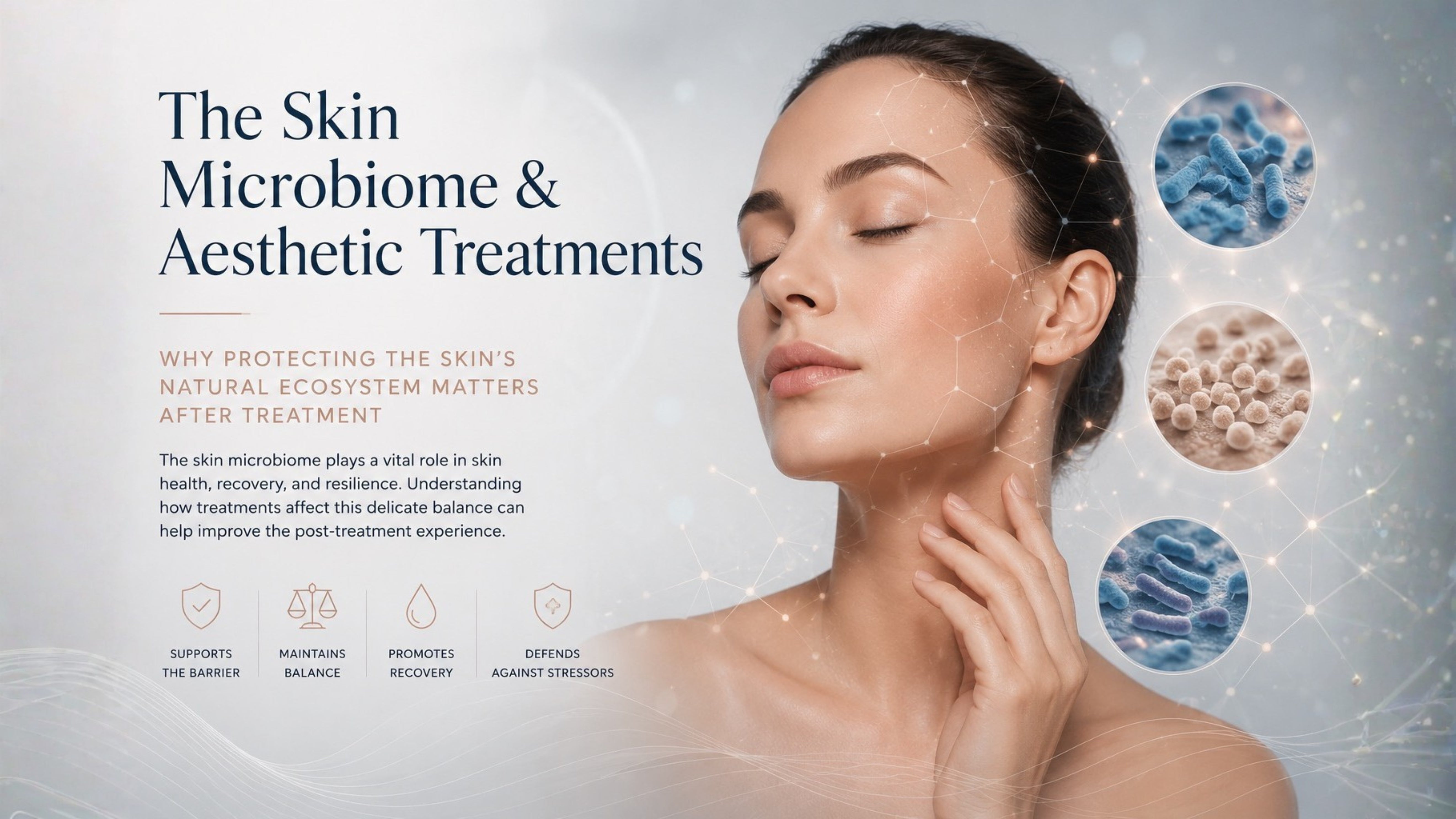
Why protecting the skin’s natural ecosystem matters in post-procedure recovery.
Introduction
The skin is not just a protective outer layer- it is a living ecosystem. One of its most important biological systems is the skin microbiome, a diverse community of microorganisms that plays a key role in maintaining balance, resilience, and overall skin health.
In aesthetic medicine, where treatments are designed to stimulate controlled skin response and regeneration, understanding the microbiome is increasingly important.
Procedures such as microneedling, laser resurfacing, chemical peels, and injectables all influence the skin’s structure and function. While these treatments are highly effective, they also temporarily disrupt the skin’s barrier environment, making post-treatment care essential.
This article explores the role of the skin microbiome, how aesthetic treatments can impact it, and why targeted aftercare is critical in supporting optimal recovery.
What is the Skin Microbiome?
The skin microbiome refers to the trillions of beneficial microorganisms that naturally live on the skin’s surface. These include bacteria, fungi, and other microscopic organisms that exist in a carefully balanced relationship with the skin barrier.
Far from being harmful, these microorganisms play an essential protective role. A healthy microbiome helps to:
-
Maintain skin barrier integrity
-
Regulate hydration levels
-
Defend against pathogenic bacteria
-
Support immune function within the skin
-
Promote overall skin resilience
When in balance, the microbiome contributes to calm, healthy, and well-functioning skin.
How Aesthetic Treatments Affect the Skin Ecosystem
Aesthetic procedures are designed to create controlled micro-injury or biochemical stimulation within the skin to trigger renewal and repair. While this process is beneficial for long-term skin improvement, it temporarily alters the skin’s environment.
Treatments that may impact the skin microbiome include:
-
Microneedling
-
Laser treatments (ablative and non-ablative)
-
Chemical peels
-
Spicule-based treatments
-
Polynucleotide therapies
-
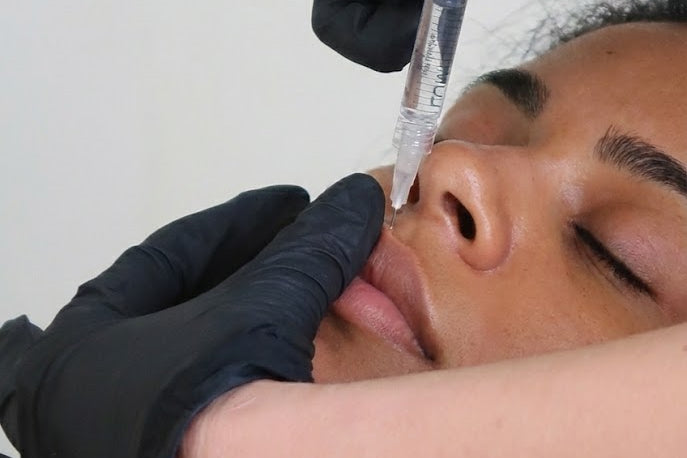
Injectable procedures that disrupt the dermal or epidermal layers
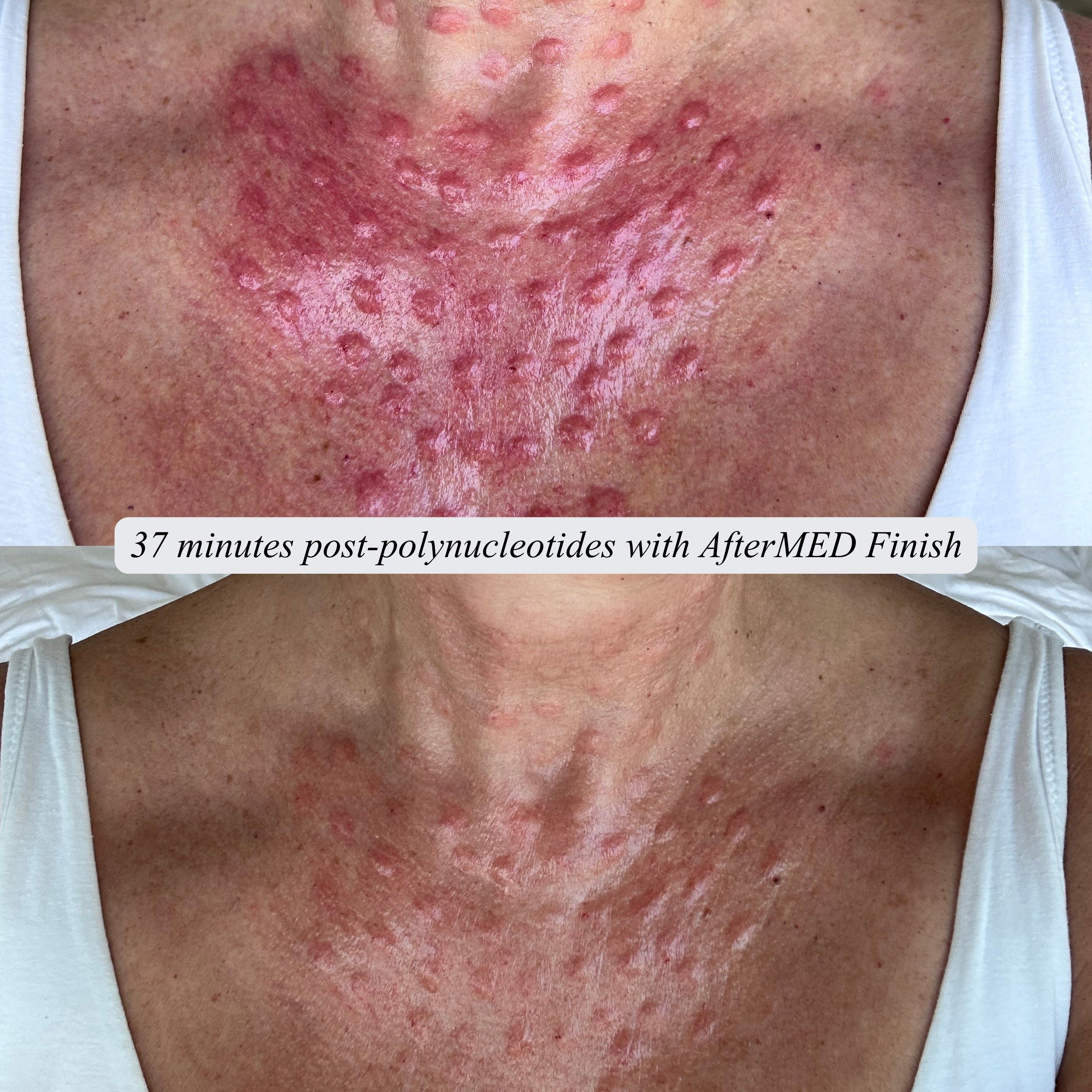
Following these treatments, the skin barrier becomes more permeable and sensitive. This can temporarily affect the balance of the microbiome by altering hydration levels, surface pH, and lipid availability.
This is a normal part of the recovery process- but it highlights the importance of appropriate aftercare.
The Relationship Between Barrier Function and the Microbiome
The skin barrier and microbiome are deeply interconnected. A healthy barrier provides the stable environment the microbiome needs to thrive, while a balanced microbiome supports barrier repair and function.
When the barrier is disrupted after treatment, patients may experience:
-
Increased transepidermal water loss (TEWL)
-
Dryness or tightness
-
Redness or inflammation
-
Heightened sensitivity
-
Temporary imbalance in skin flora
Supporting barrier recovery is therefore one of the most effective ways to indirectly support microbiome balance during the healing phase.
Why Aftercare Matters in Microbiome Recovery
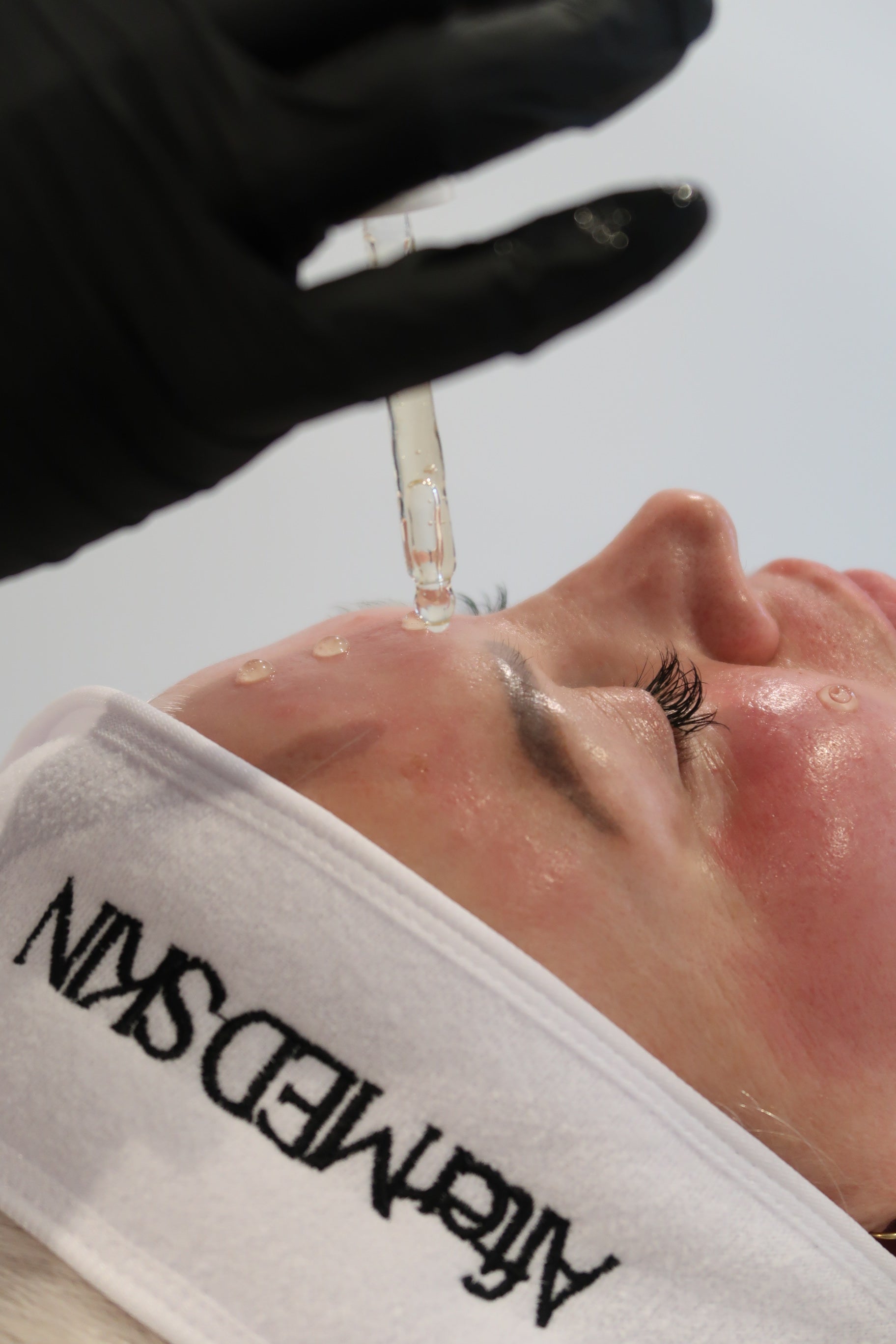
Post-treatment aftercare plays a crucial role in restoring equilibrium within the skin.
The goal during this phase is not to overcorrect or overwhelm the skin, but to create a stable, supportive environment that allows natural recovery processes to occur.
Effective aftercare can help to:
-
Reinforce the skin barrier
-
Reduce moisture loss
-
Calm visible irritation and redness
-
Support lipid replenishment
-
Maintain a balanced skin environment
When the skin is properly supported, both the barrier and microbiome are better able to return to equilibrium more efficiently.
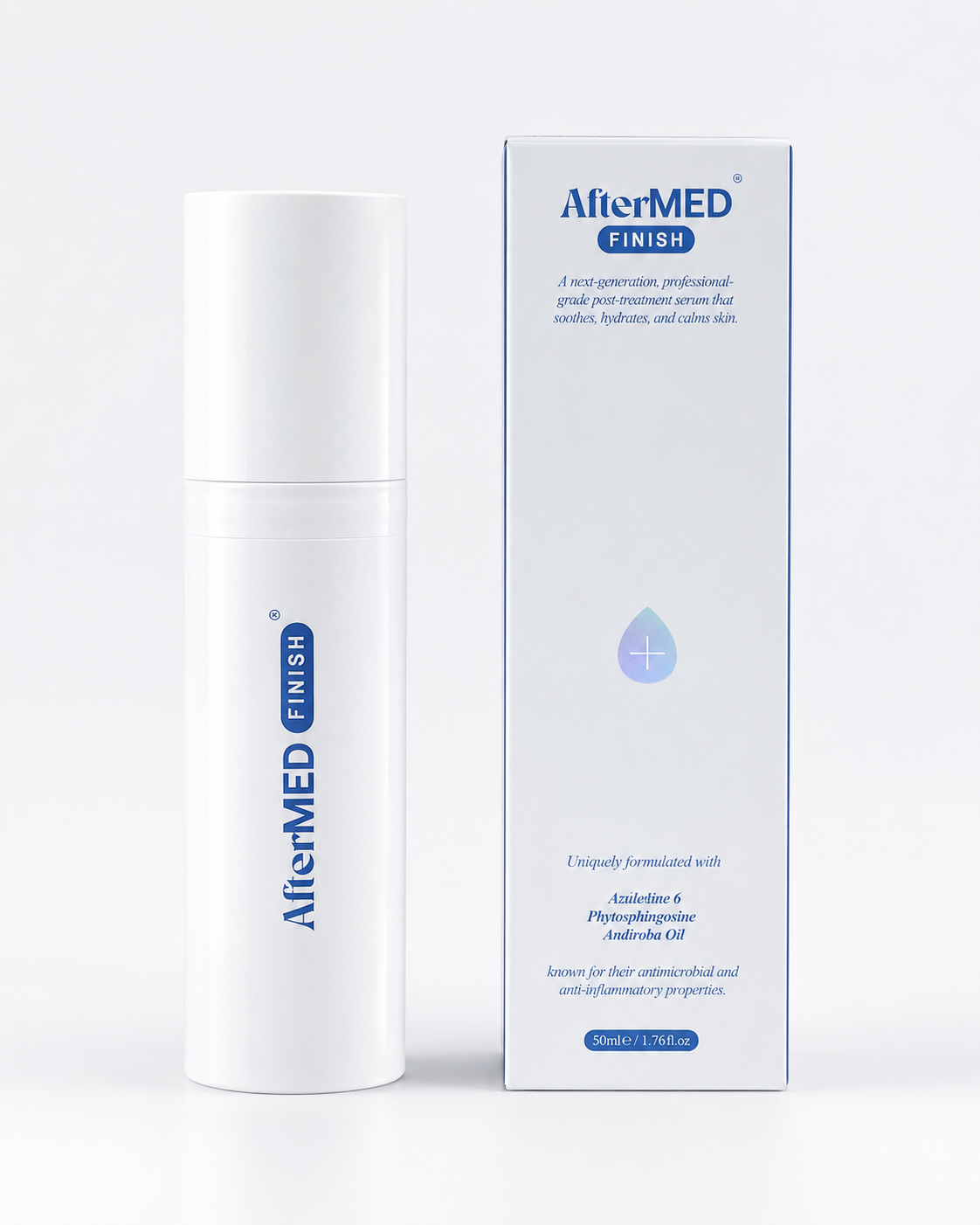
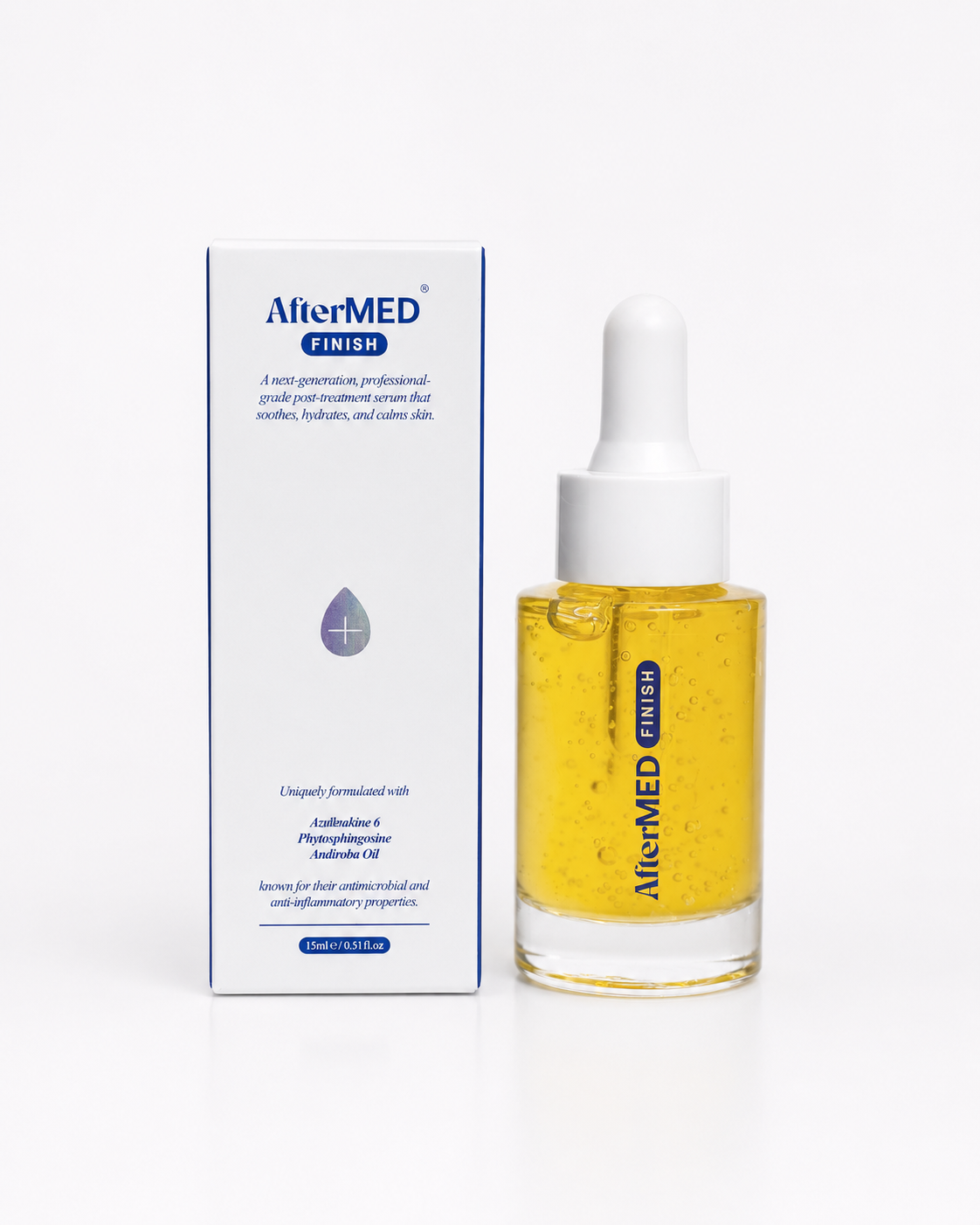
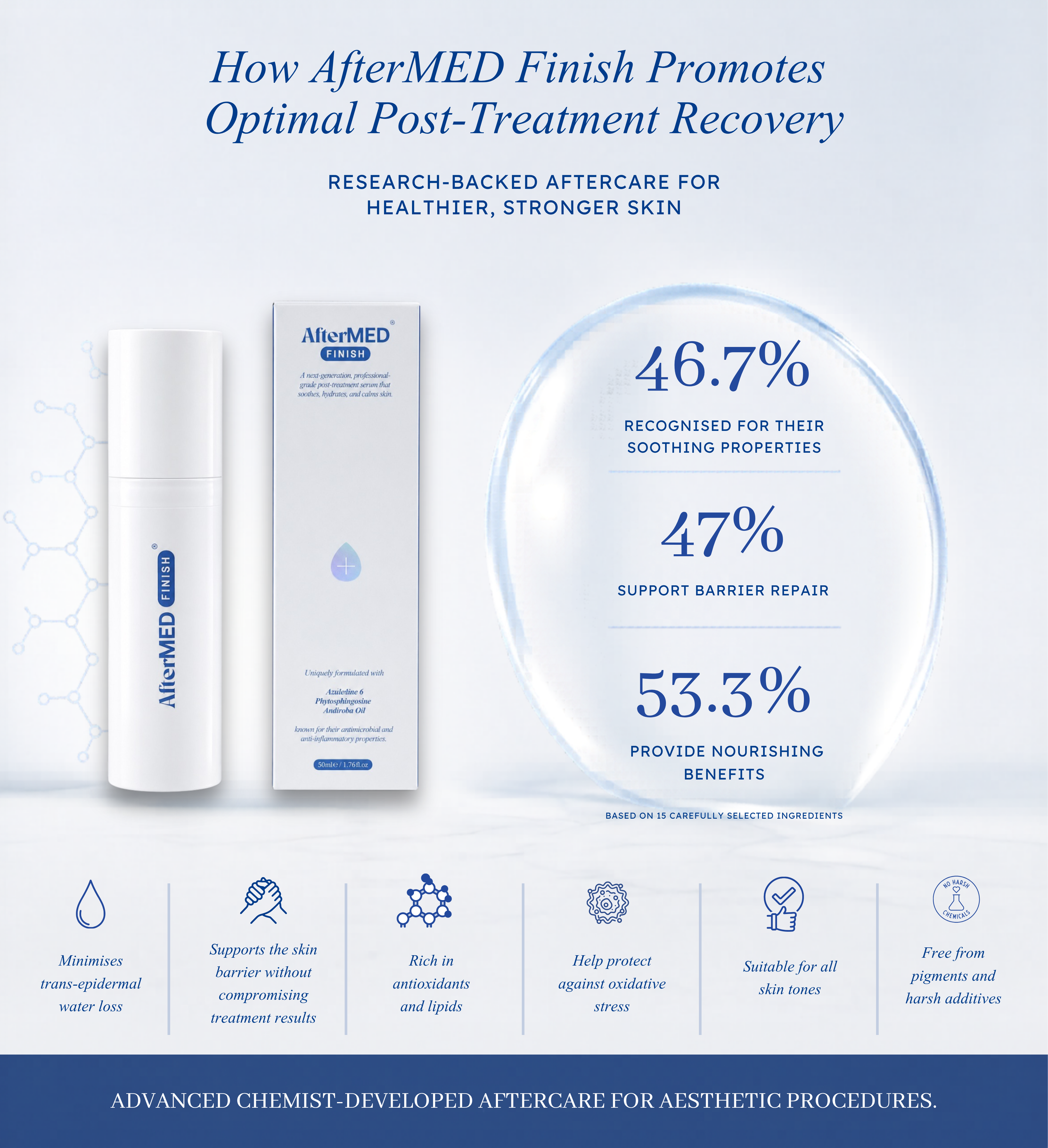
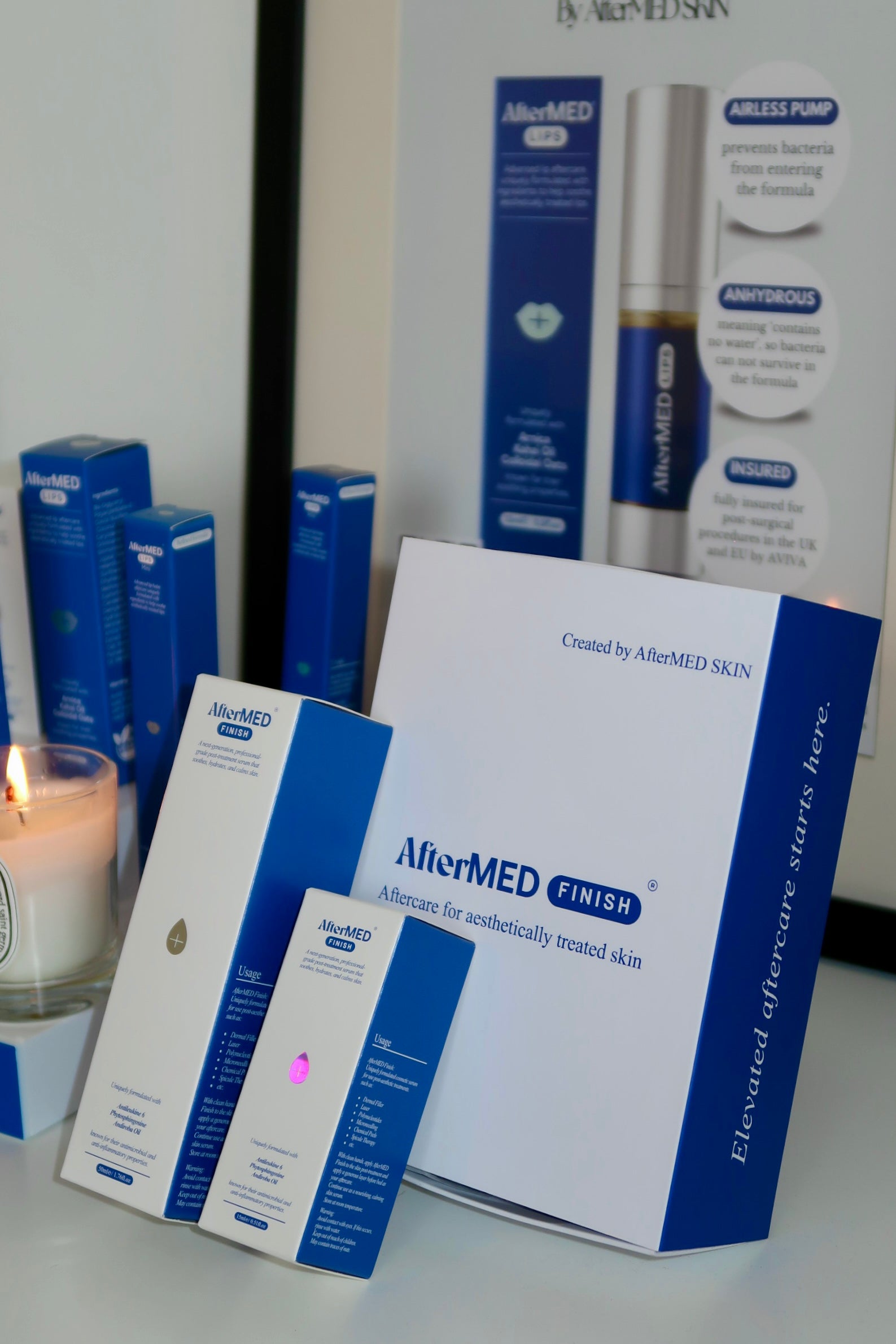
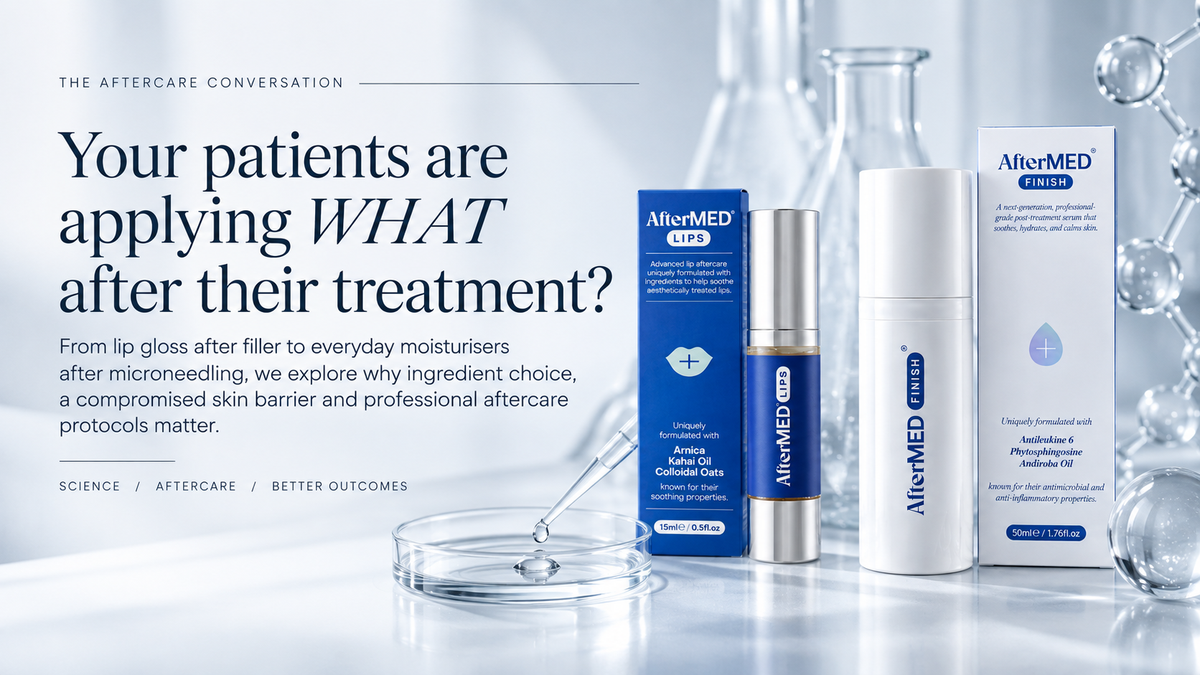
Ingredients within AfterMED Finish that Support for Skin Balance
Certain skincare ingredients are particularly well-suited to supporting post-treatment recovery due to their compatibility with the skin’s natural structure.
-
Phytosphingosine is a skin-identical lipid that supports barrier integrity and helps maintain a balanced skin environment.
-
Avena Sativa (Oat) Extract is known for its soothing properties and ability to reduce visible signs of irritation, helping to stabilise sensitive skin conditions.
-
Simmondsia Chinensis (Jojoba) Seed Oil mimics natural sebum, helping to maintain hydration balance and reinforce the skin’s protective layer.
Together, ingredients like these help support a calm and stable environment where the microbiome can recover naturally.
Conclusion
The skin microbiome is an essential yet often overlooked part of post-aesthetic treatment recovery. While procedures such as microneedling, lasers, and chemical peels are highly effective for skin rejuvenation, they temporarily disrupt the skin’s natural balance.
Supporting this recovery phase with appropriate aftercare is critical. By reinforcing the skin barrier, reducing moisture loss, and maintaining a stable environment, clinicians can help patients achieve a more comfortable and effective healing experience.
As aesthetic medicine continues to evolve, microbiome-aware skincare is becoming an increasingly important part of professional aftercare protocols- ensuring that results are not only achieved, but also protected.
References:
- Ellis et al., Applied Microbiology (2024)
- Haykal & Rocha, J Cosmet Dermatol (2025)
- Cannon et al., Br J Dermatol (2024)
- Greugny et al., Skin Microbiome Model (2023)
- Ellis et al., MDPI Applied Microbiology (2024)



Leave a comment
This site is protected by hCaptcha and the hCaptcha Privacy Policy and Terms of Service apply.